Case Study: How a Birmingham Retailer Boosted Sales with AI Automation


Introduction to AI in Retail
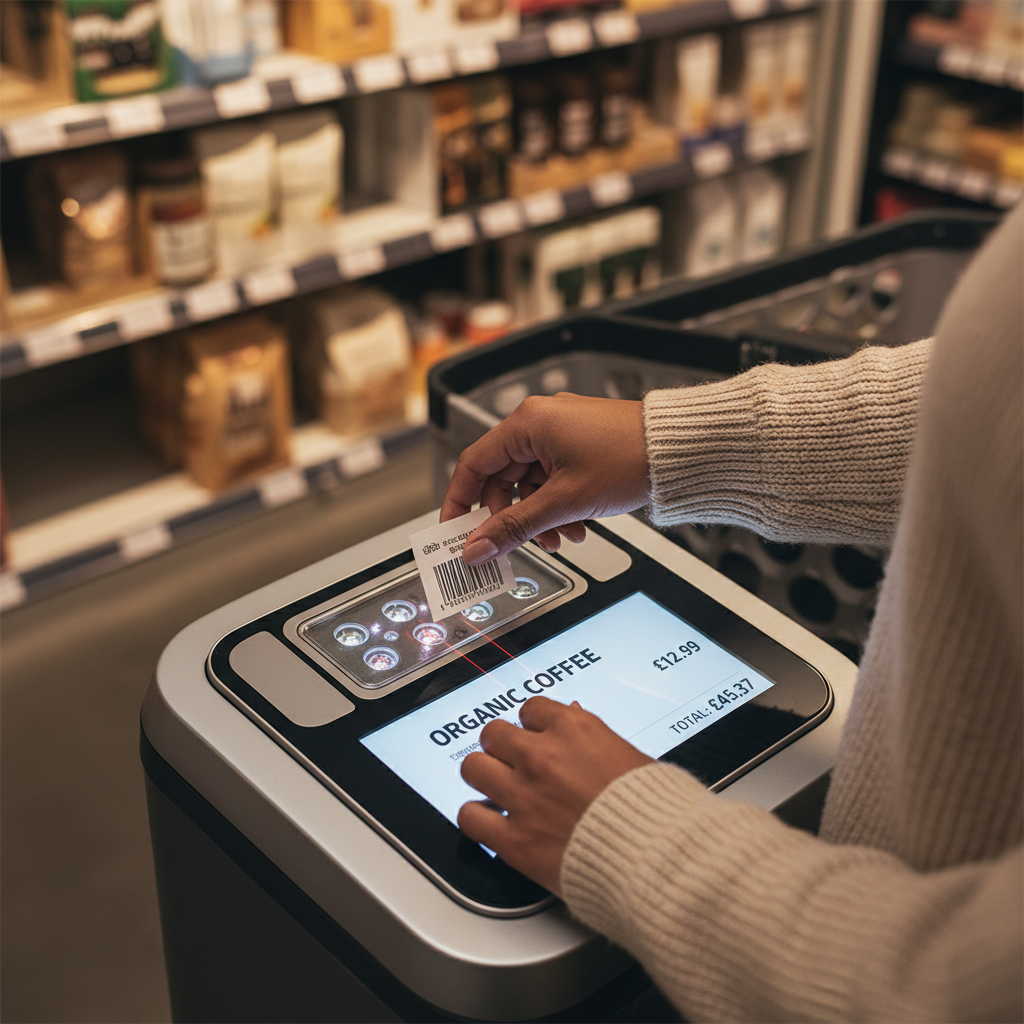
In recent years, the retail industry has seen a significant transformation with the integration of artificial intelligence (AI) technologies. Retailers are using AI to streamline operations, enhance customer experiences, and boost sales. One such retailer in Birmingham has successfully leveraged AI automation to achieve remarkable growth.
Understanding the Challenges
Before implementing AI, the Birmingham retailer faced several challenges. These included managing inventory efficiently, personalizing customer experiences, and optimizing pricing strategies. The company needed a solution that could address these issues while driving sales growth.
Inventory Management
Inventory management was a major concern. Overstocking led to increased storage costs, while understocking resulted in lost sales opportunities. The retailer needed a system that could predict demand accurately and optimize stock levels in real-time.
Personalization
Customers today expect personalized experiences. The retailer struggled to tailor offerings to individual preferences, which impacted customer satisfaction and loyalty. AI offered the potential to analyze consumer data and provide personalized recommendations.

Implementing AI Solutions
To tackle these challenges, the retailer partnered with an AI solutions provider. The implementation focused on three core areas: inventory management, customer personalization, and dynamic pricing.
AI-Powered Inventory Management
By adopting AI-powered inventory management tools, the retailer could predict demand patterns more accurately. This technology enabled them to maintain optimal stock levels, reduce waste, and improve overall efficiency.
- Real-time stock monitoring
- Automated reorder alerts
- Demand forecasting
Enhancing Customer Personalization
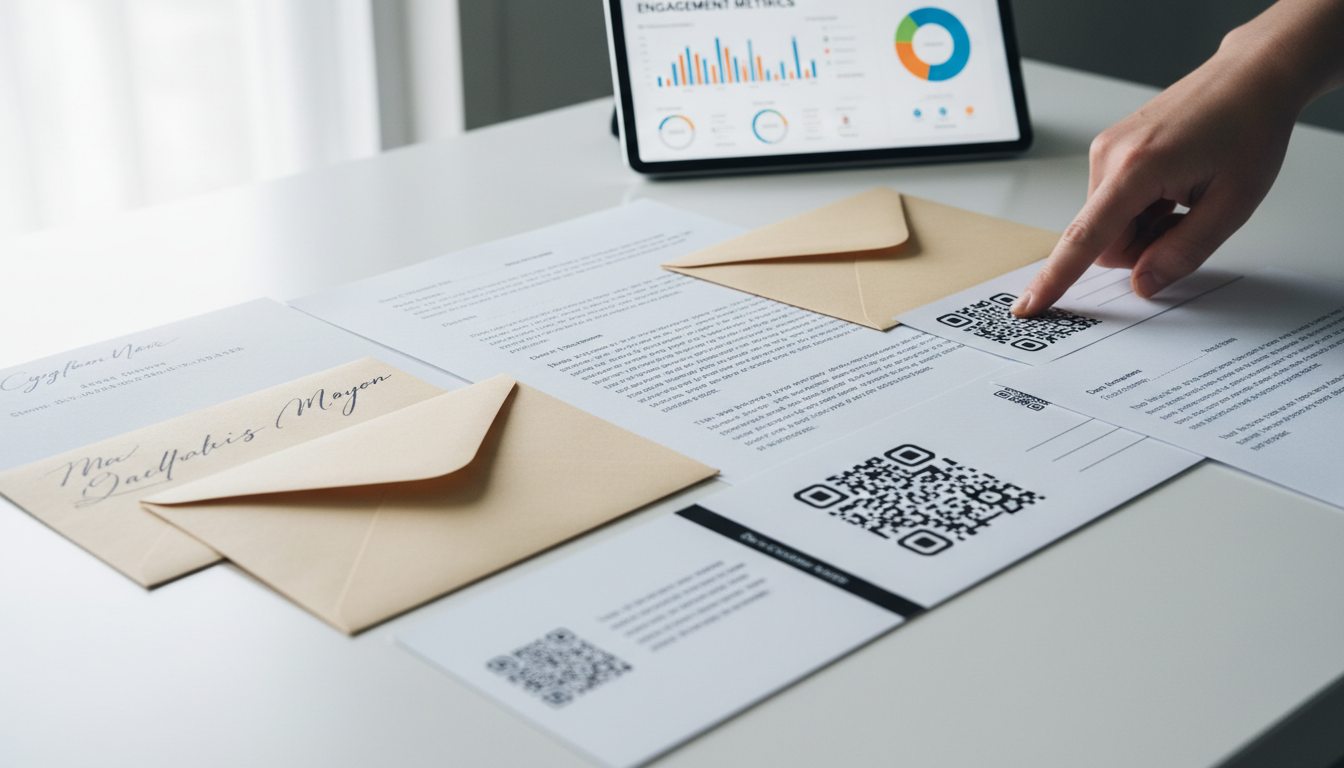
AI algorithms analyzed customer data to deliver personalized shopping experiences. Customers received tailored product recommendations and personalized marketing offers, enhancing engagement and boosting sales.
Results and Achievements
The integration of AI into the retailer’s operations yielded impressive results. Within six months, the company reported a significant increase in sales and customer satisfaction.
- 30% increase in sales
- 25% improvement in inventory turnover
- Enhanced customer loyalty and engagement
Dynamic Pricing
AI-driven dynamic pricing allowed the retailer to adjust prices in real-time based on market trends and consumer behavior. This strategy helped maximize profits while remaining competitive in the market.
Conclusion
The Birmingham retailer's success story highlights the transformative power of AI in the retail sector. By addressing key operational challenges and enhancing customer experiences, AI automation has proven to be a valuable asset in driving business growth. As technology continues to evolve, more retailers are likely to adopt AI solutions to stay competitive and meet the ever-changing demands of consumers.