Debunking Common Myths About AI Solutions in Business


Understanding AI: Beyond the Hype
The world of artificial intelligence (AI) is filled with potential, yet it often remains shrouded in misconceptions. These myths can create unnecessary fear and hesitation among businesses considering AI solutions. In this blog, we aim to debunk some of the most common myths about AI in business, helping you make informed decisions about integrating this powerful technology.

Myth 1: AI Will Replace Human Jobs
One of the most pervasive myths is that AI will lead to massive job losses. While AI can automate certain tasks, it is more about enhancing human capabilities than replacing them. AI can take over repetitive tasks, allowing employees to focus on more creative and strategic work. This shift can lead to increased productivity and job satisfaction.
Myth 2: AI Is Only for Large Corporations
Many small and medium-sized businesses believe AI solutions are only accessible to large corporations with significant resources. However, AI technologies have become more affordable and scalable. Cloud-based AI services allow businesses of all sizes to leverage this technology without heavy upfront investments.
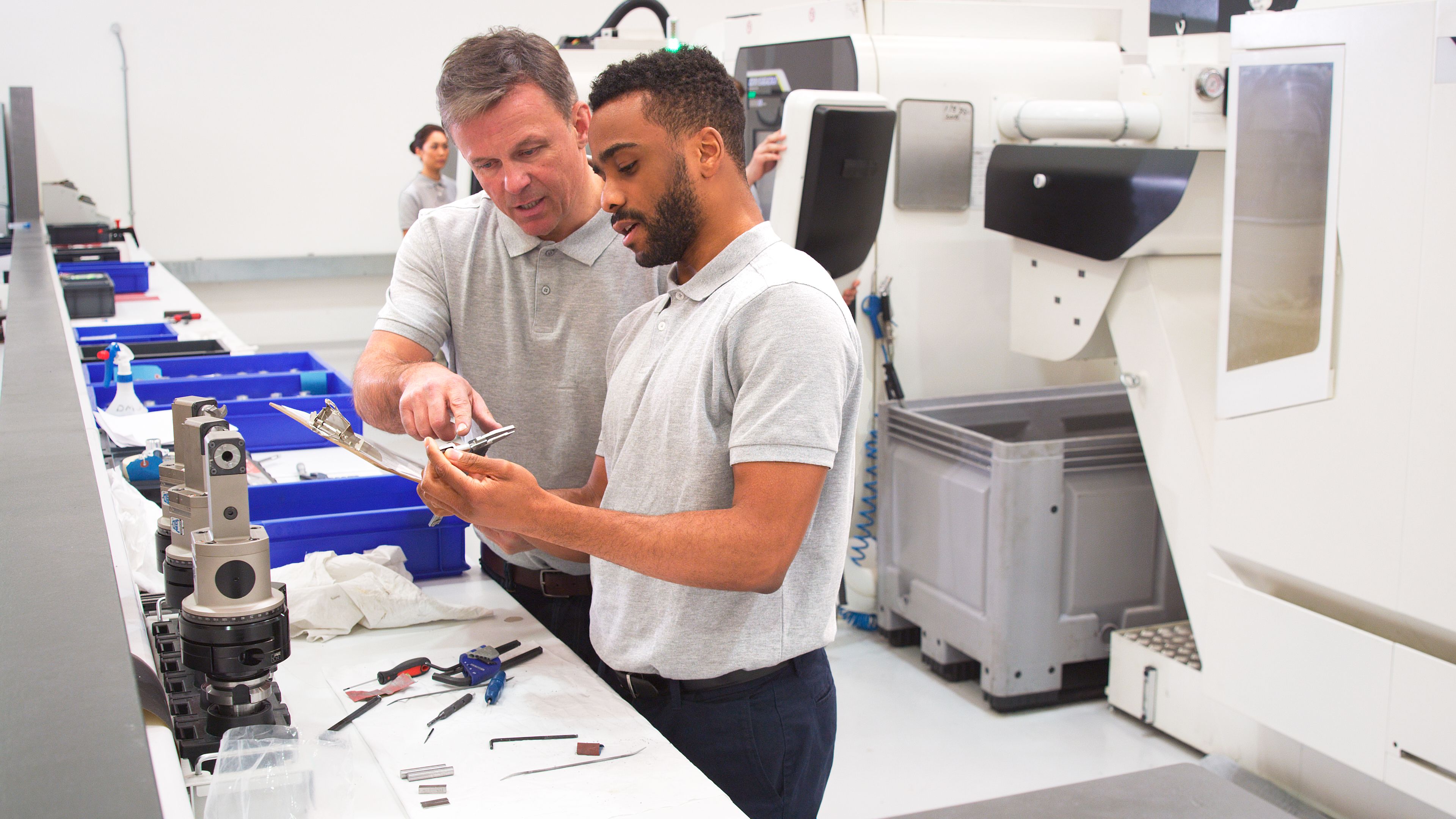
Unpacking AI Complexity
Another common misconception is that AI implementation is too complex for the average business. While AI does involve advanced technology, many user-friendly platforms and tools simplify the integration process. Businesses can start small, using AI for specific tasks and gradually expand its use.
Myth 3: AI Lacks Creativity
Some people assume that AI is purely logical and incapable of creativity. However, AI can assist in creative processes by analyzing data patterns to inspire new ideas or designs. For instance, AI is being used in fields like music and art to generate innovative outcomes.

Myth 4: AI Is Infallible
There's a belief that AI systems are perfect and make zero mistakes. In reality, AI is only as good as the data it is trained on. Flawed or biased data can lead to inaccurate results. It’s crucial for businesses to continuously monitor and refine AI systems to ensure accuracy and fairness.
AI and Data Privacy Concerns
With the rise of AI, data privacy has become a significant concern. Many fear that AI technologies compromise personal data security. However, robust data protection measures and compliance with regulations like GDPR can mitigate these risks, ensuring that AI solutions are both effective and secure.
Myth 5: AI Can Think and Feel
Finally, it's important to understand that AI does not possess consciousness or emotions. AI can simulate human-like interactions but lacks genuine understanding or feelings. It is a tool designed to perform specific tasks based on programmed algorithms.
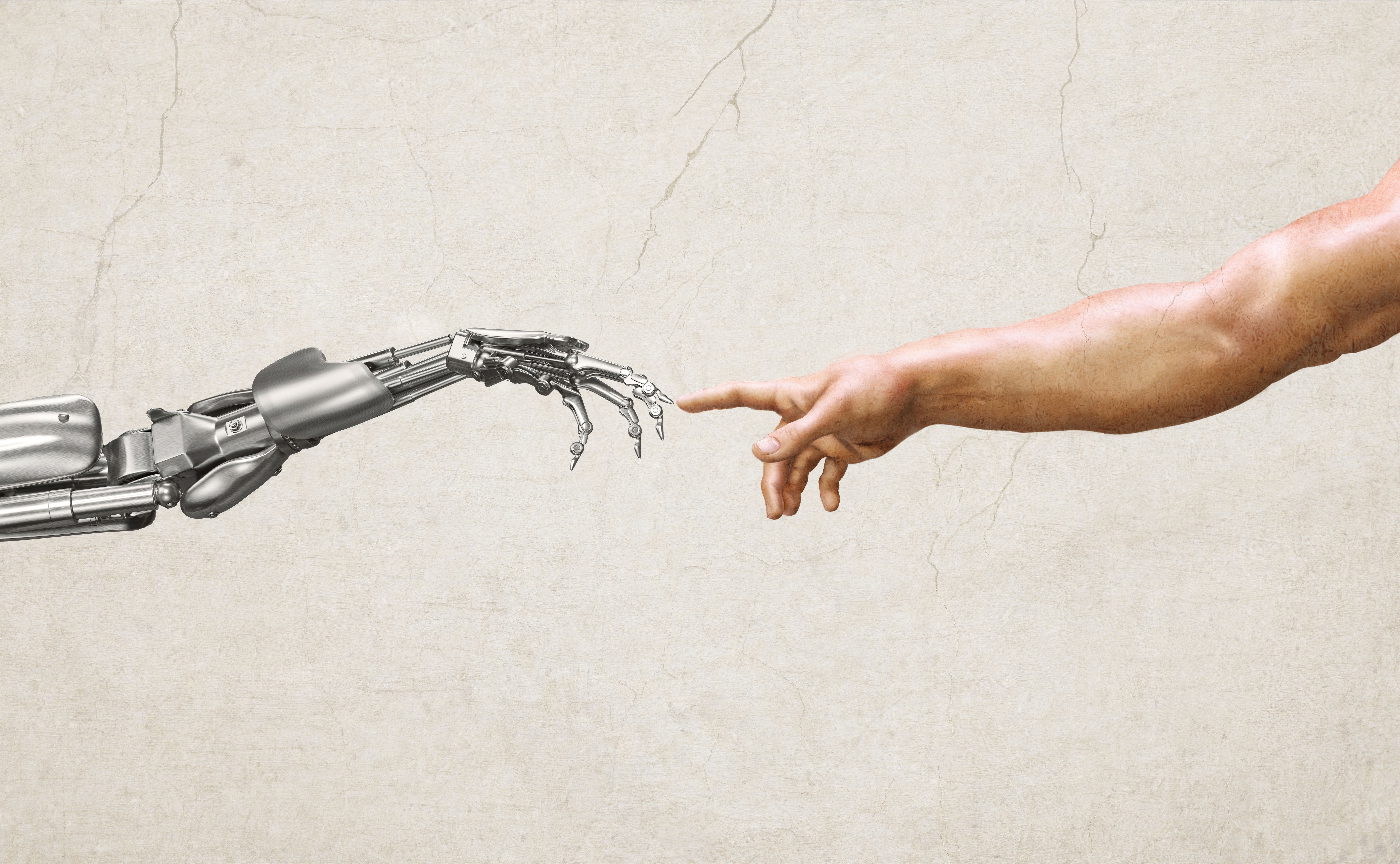
By debunking these myths, businesses can approach AI with a clearer perspective and embrace the opportunities it offers. With thoughtful implementation, AI can transform various aspects of business operations, from improving customer experiences to optimizing internal processes.