Demystifying AI: Common Misconceptions About Artificial Intelligence Applications


Understanding AI: What It Really Is
Artificial Intelligence (AI) has become a buzzword in today's technological landscape, often shrouded in mystery and misconceptions. At its core, AI refers to computer systems designed to mimic human intelligence, enabling them to perform tasks such as problem-solving, learning, and decision-making. However, the reality of AI is often misunderstood due to widespread myths and exaggerated portrayals in media.

Myth 1: AI Will Replace Human Jobs
One of the most pervasive fears about AI is that it will replace human jobs, leading to widespread unemployment. While AI can automate certain tasks, it is essential to understand that it is not a one-size-fits-all solution. Many jobs require human creativity, empathy, and complex problem-solving, which AI cannot replicate. Instead of replacing jobs, AI often complements human efforts, creating new opportunities and enhancing productivity.
Myth 2: AI Can Think and Feel Like Humans
Another common misconception is that AI can think and feel like humans. In reality, AI lacks consciousness and emotions. It operates based on algorithms and data, executing tasks it is programmed to perform. While AI can process information and make decisions quickly, it does not possess awareness or emotional intelligence.
Myth 3: AI Is Infallible
Many people believe that AI systems are infallible, but this is far from the truth. AI systems are only as good as the data and algorithms they are built on. They can make mistakes, especially if they are trained on biased or incomplete data sets. It is crucial to continuously monitor and update AI systems to ensure accuracy and fairness.
Real-Life Applications of AI
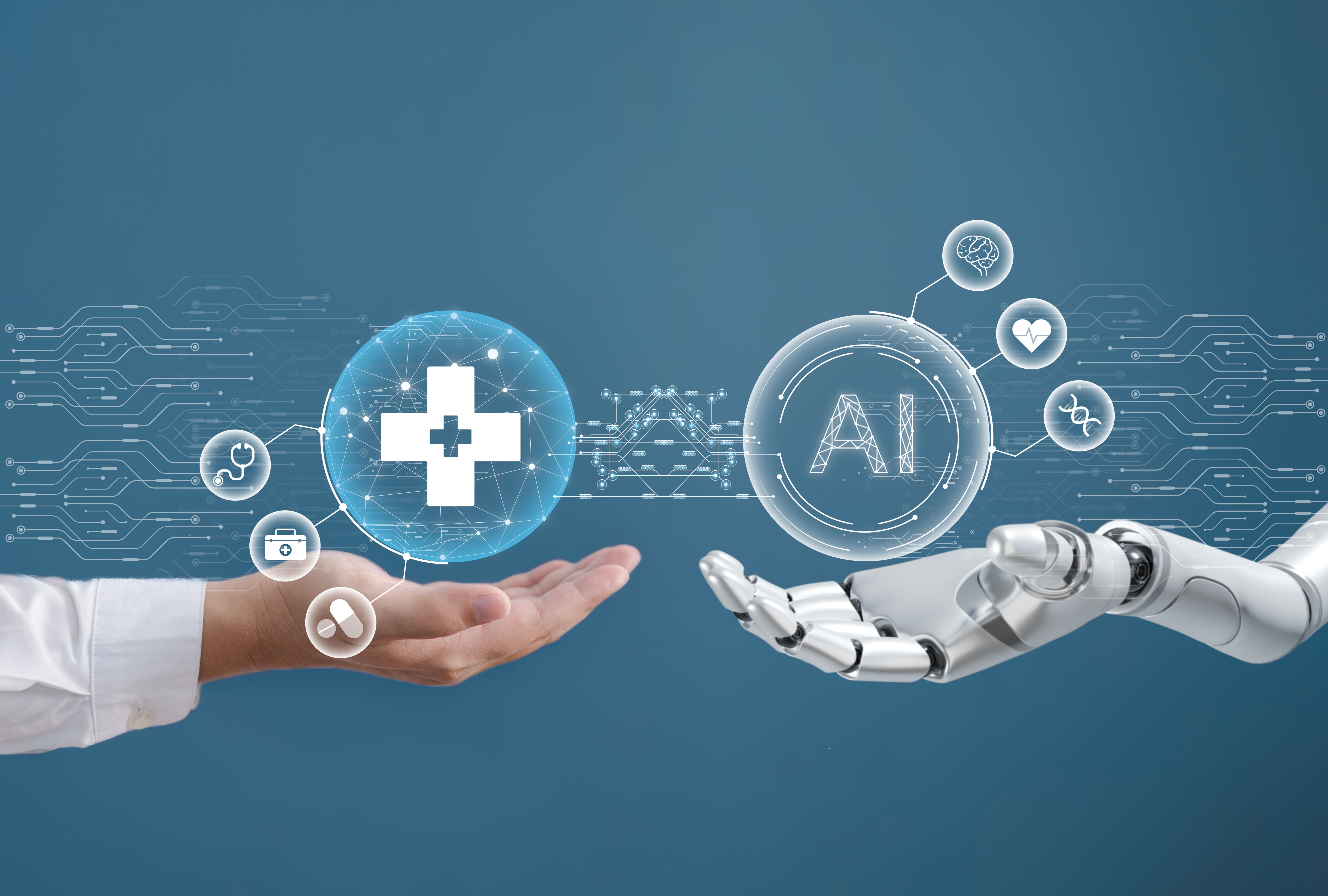
Despite the misconceptions, AI has practical and beneficial applications across various industries. In healthcare, AI assists in diagnosing diseases and personalizing treatment plans. In finance, it helps detect fraudulent transactions and manage investment portfolios. Retailers use AI to optimize supply chains and enhance customer experiences through personalization.
The Future of AI
The future of AI is promising, with ongoing developments aimed at improving its capabilities and addressing ethical concerns. As AI technology evolves, it is crucial to foster a balanced understanding of its potential and limitations. By dispelling myths and embracing AI's benefits, society can harness its power responsibly and effectively.
Conclusion
Demystifying AI involves debunking common misconceptions and recognizing its true capabilities. While AI is a powerful tool that can transform industries and improve lives, it is not the omniscient, autonomous entity often depicted in popular culture. Understanding AI's strengths and limitations is key to leveraging its potential and ensuring it serves humanity positively.