How AI Solutions are Revolutionizing Process Optimization


The Rise of AI in Process Optimization
In today's fast-paced business environment, the need for efficient and effective process optimization has never been more critical. Companies are constantly seeking ways to improve their operations, reduce costs, and enhance productivity. Enter AI solutions, which are revolutionizing the way businesses approach process optimization. By leveraging AI technologies, organizations can streamline operations, make data-driven decisions, and achieve unprecedented levels of efficiency.

Understanding AI in Process Optimization
AI solutions use advanced algorithms and data analytics to identify inefficiencies within processes. This allows businesses to gain insights into their operations that were previously unattainable. AI can analyze vast amounts of data at a speed and accuracy far beyond human capabilities, making it an invaluable tool for identifying patterns and trends that inform process improvements.
One of the key advantages of AI in process optimization is its ability to learn and adapt. Machine learning models continuously improve over time, offering increasingly accurate insights and recommendations. This adaptability ensures that businesses remain agile and responsive to changing market conditions.
Key Benefits of AI Solutions
The implementation of AI in process optimization offers numerous benefits. Firstly, AI solutions can significantly reduce operational costs by automating repetitive tasks and minimizing human error. This leads to more efficient resource allocation and improved bottom lines.

Secondly, AI enhances decision-making by providing real-time data analysis. Businesses can respond quickly to issues, capitalize on opportunities, and maintain a competitive edge. Additionally, AI-driven process optimization fosters innovation by freeing up human resources to focus on strategic initiatives rather than mundane tasks.
Real-World Applications
AI solutions are being used across various industries to optimize processes. In manufacturing, AI-driven predictive maintenance reduces downtime by anticipating equipment failures before they occur. In logistics, AI optimizes supply chain operations, ensuring timely deliveries and reducing costs.
- Manufacturing: Predictive maintenance
- Logistics: Supply chain optimization
- Healthcare: Patient care management
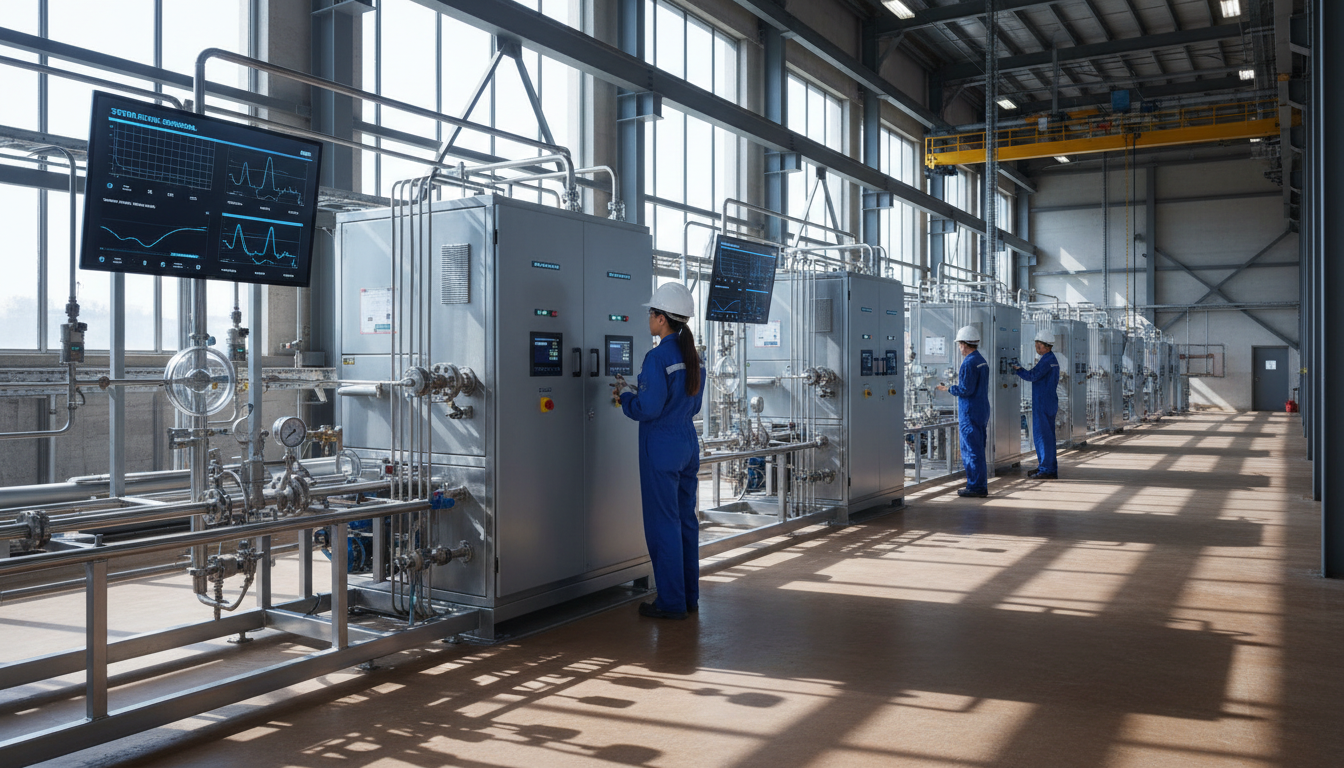
In healthcare, AI improves patient care by streamlining administrative processes and enabling personalized treatment plans. These applications demonstrate the versatility and impact of AI in diverse sectors.
Challenges and Considerations
Despite its benefits, the adoption of AI solutions for process optimization comes with challenges. Data privacy and security are paramount, as AI systems rely on large datasets to function effectively. Ensuring compliance with regulations and protecting sensitive information is crucial.
Moreover, the integration of AI into existing systems can be complex and requires careful planning. Organizations must invest in the right technologies and training to fully leverage AI's potential. Addressing these challenges is essential for successful implementation.
The Future of AI in Process Optimization
As AI technologies continue to evolve, their role in process optimization is expected to grow even further. Emerging trends like autonomous systems and advanced machine learning models promise to push the boundaries of what's possible. Businesses that embrace these innovations will be well-positioned to thrive in the future.

In conclusion, AI solutions are transforming process optimization, offering businesses unprecedented opportunities to enhance efficiency and drive growth. By understanding and harnessing the power of AI, companies can unlock new levels of performance and stay ahead in a competitive landscape.