Myth-Busting AI Automation: Addressing Common Misconceptions


Understanding AI Automation
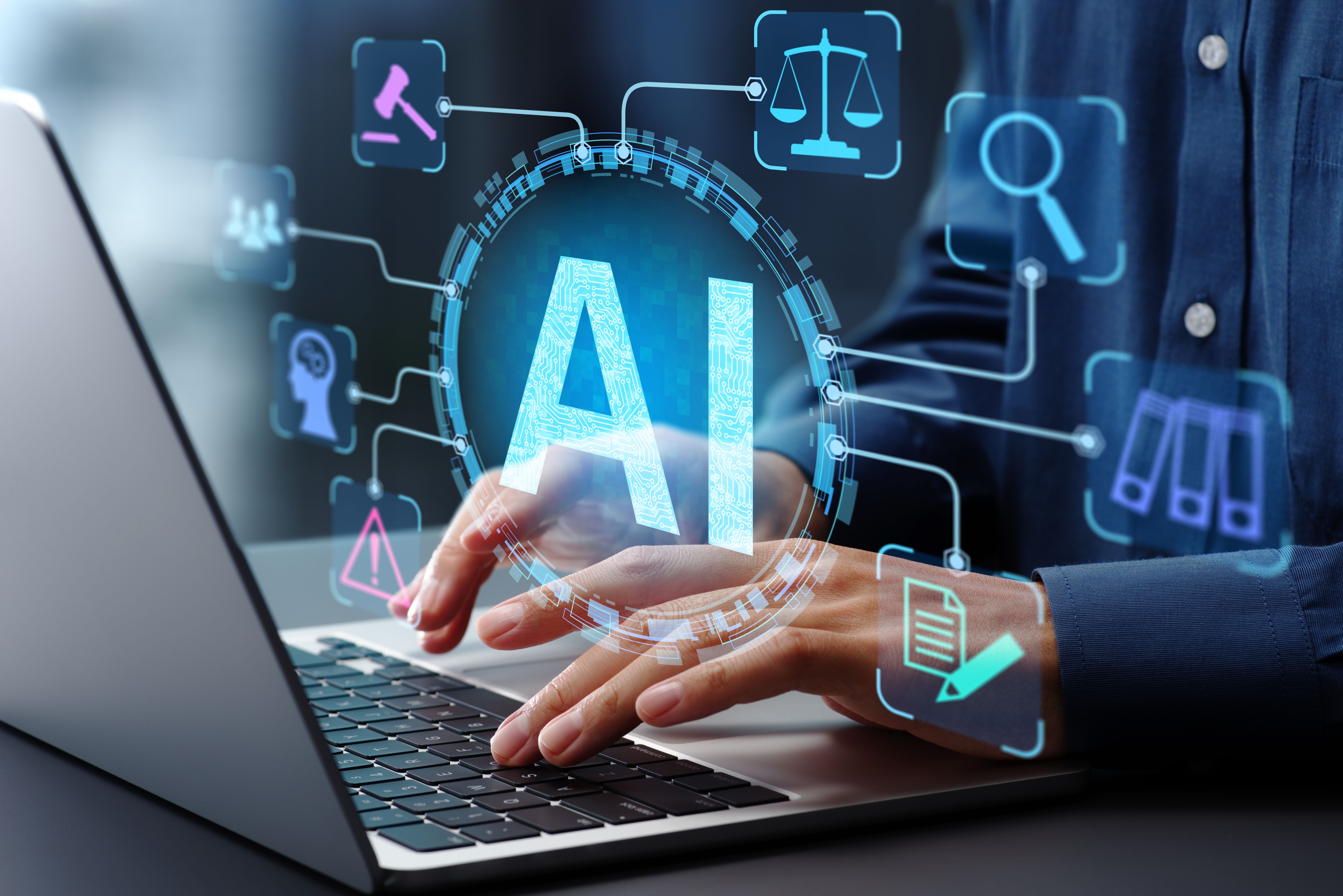
AI automation is transforming industries, yet it is often misunderstood. Many fear it will replace jobs, erode privacy, or lead to unforeseen consequences. However, these concerns are often based on misconceptions. In this post, we'll explore and debunk some common myths about AI automation to provide a clearer perspective.

Myth 1: AI Will Replace All Jobs
One of the most prevalent fears is that AI will lead to massive unemployment. While AI is indeed automating certain tasks, it's crucial to understand that it is primarily designed to assist and enhance human capabilities. AI excels at repetitive and data-driven tasks, allowing humans to focus on more complex and creative work.
Complementary Roles
AI and humans can work together in a complementary manner. For instance, in healthcare, AI can analyze data to assist doctors in diagnosing diseases, but it cannot replace the nuanced understanding and empathy a human doctor provides. Instead of replacing jobs, AI is creating new opportunities in various fields.

Myth 2: AI Lacks Accountability
Another common misconception is that AI systems operate without accountability. In reality, AI systems are designed and monitored by humans who are responsible for ensuring their ethical use. Organizations are implementing guidelines and frameworks to ensure transparency and accountability in AI deployment.
Ethical Considerations
Ethical considerations are at the forefront of AI development. Developers and companies are actively working on creating AI systems that are transparent and fair. By focusing on responsible AI, businesses are taking steps to address potential biases and ethical dilemmas.
Myth 3: AI Understands Human Emotions
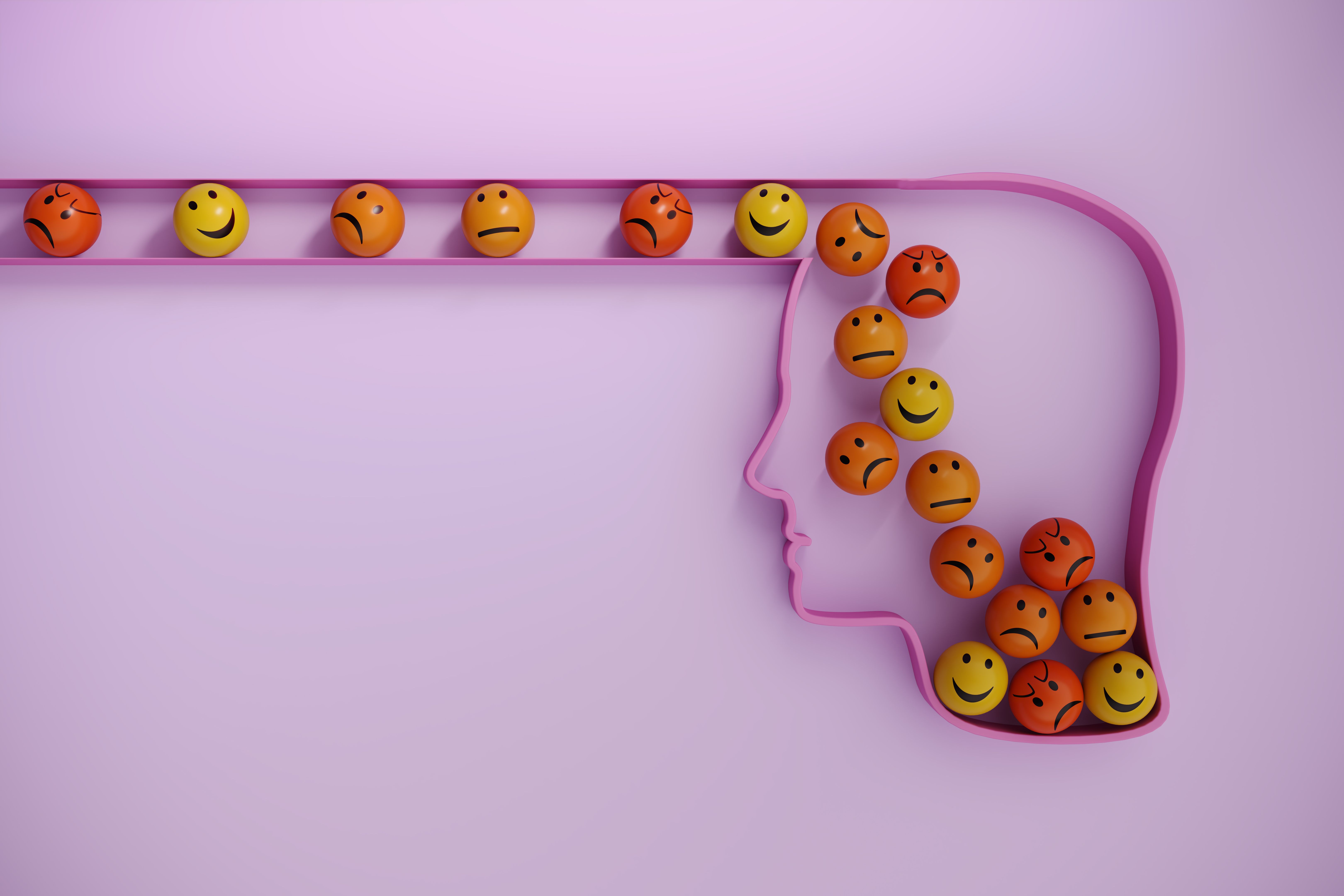
Many believe AI can fully understand and replicate human emotions. While AI can process and recognize patterns in data related to emotions, it lacks genuine emotional intelligence. AI can simulate empathy in customer service scenarios, but it does not experience emotions as humans do.
Simulated Empathy
AI's ability to analyze language and sentiment can create the appearance of empathy. However, it's important to remember that this is a simulation based on data patterns. Human interaction remains irreplaceable in situations where emotional intelligence is required.
Myth 4: AI Is Infallible
There is a belief that AI systems are perfect and free from errors. In reality, AI is only as good as the data it is trained on. Poor-quality data can lead to inaccurate results, and AI systems require continuous monitoring and updates to function optimally.
Continuous Improvement
AI systems benefit from ongoing learning and improvement. Regular updates and training on diverse datasets are essential to maintain their accuracy and reliability. Businesses must remain vigilant in monitoring AI performance to ensure it meets the desired standards.
Embracing AI With an Open Mind
AI automation is a powerful tool that, when used responsibly, can drive innovation and efficiency across industries. By dispelling these myths, we can better appreciate the potential benefits of AI and work toward a future where humans and AI coexist harmoniously. Embracing AI with an open mind allows us to harness its full potential while addressing genuine concerns.