The Latest Trends in AI Automation and Their Impact on Businesses


Introduction to AI Automation
The world of artificial intelligence (AI) is rapidly evolving, with automation at the forefront of this technological revolution. Businesses are increasingly leveraging AI automation to streamline operations, enhance productivity, and gain a competitive edge. Understanding the latest trends in AI automation is crucial for companies looking to stay ahead.

Enhanced Customer Experience
One of the most significant impacts of AI automation is its ability to transform customer experiences. With AI-powered chatbots and virtual assistants, businesses can provide 24/7 customer support and personalized interactions. These tools can handle inquiries, resolve issues, and even predict customer needs based on historical data.
By utilizing natural language processing (NLP) and machine learning algorithms, AI systems can understand and respond to customer queries more effectively. This leads to increased customer satisfaction and loyalty, ultimately driving business growth.
Operational Efficiency and Cost Reduction
AI automation is revolutionizing how businesses operate by improving efficiency and reducing costs. Automated systems can perform repetitive tasks more quickly and accurately than humans, freeing up employees to focus on more strategic activities. This shift not only enhances productivity but also reduces the risk of human error.
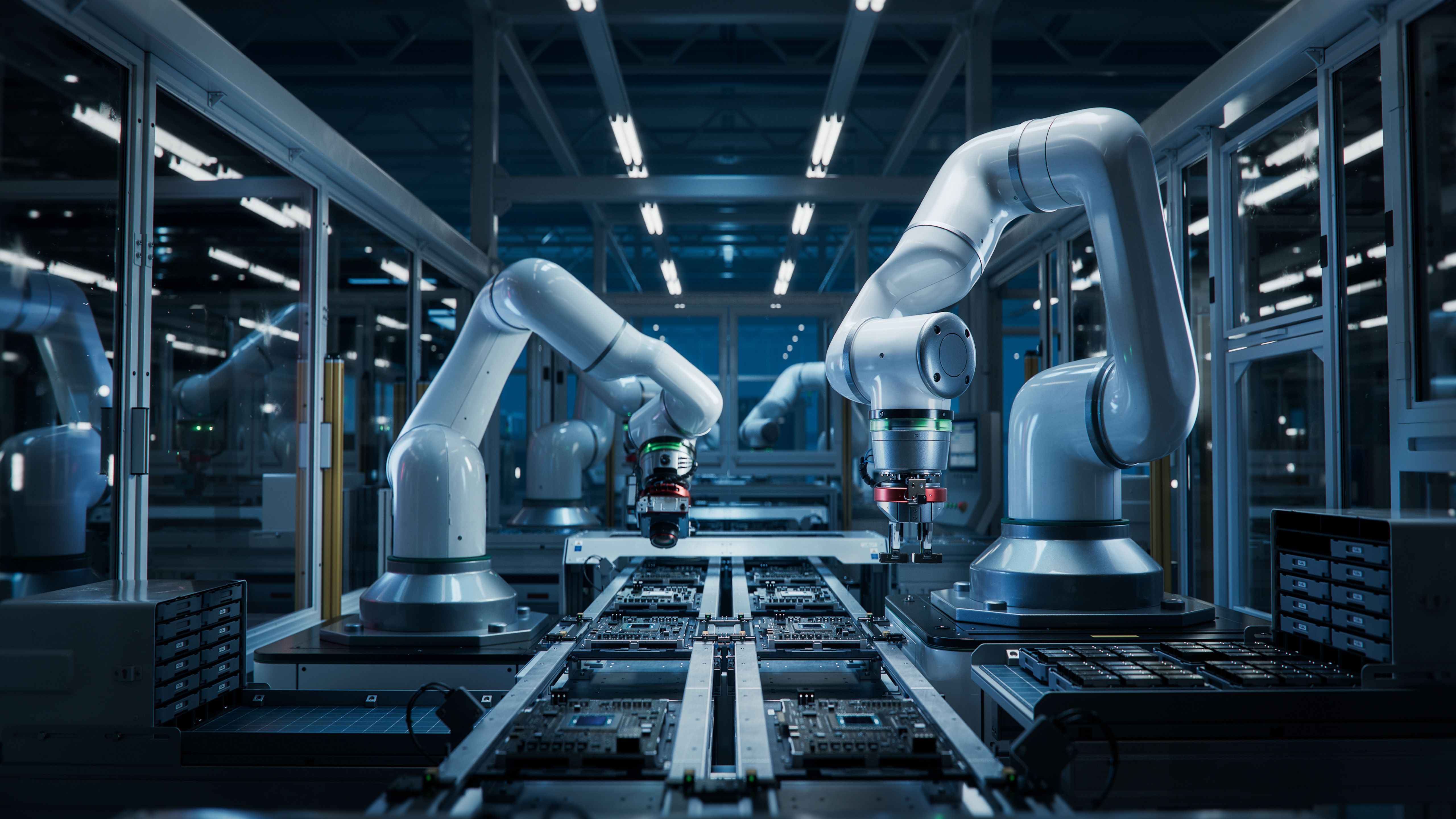
Moreover, AI-driven data analysis allows companies to make informed decisions faster. By processing large volumes of data in real-time, businesses can identify trends, optimize supply chains, and manage resources more effectively.
AI in Marketing and Sales
Marketing and sales sectors are also benefiting from AI automation. Tools like predictive analytics and personalized marketing strategies enable companies to target the right audience with precision. AI algorithms can analyze consumer behavior, segment markets, and create tailored content that resonates with potential customers.
- Predictive analytics for trend forecasting
- Personalized marketing campaigns
- Enhanced lead scoring

Challenges and Considerations
Despite the advantages, AI automation comes with challenges. Businesses must consider data privacy and security issues, as AI systems often rely on vast amounts of sensitive information. Ensuring compliance with regulations like GDPR is essential to avoid legal pitfalls.
Additionally, the integration of AI into existing systems can be complex and costly. Companies need to invest in the right infrastructure and talent to successfully implement AI solutions.
The Future of AI Automation
The future of AI automation looks promising, with continued advancements expected in machine learning, robotics, and cognitive computing. As these technologies evolve, businesses will have more opportunities to innovate and enhance their offerings.

Staying informed about these trends and adapting to changes will be key for businesses looking to thrive in the AI-driven landscape. By embracing AI automation, companies can unlock new possibilities and drive sustainable growth in an increasingly competitive market.